
How Commercial Umbrella Insurance Protects Businesses From Catastrophic Claims

One Claim Can Exceed What Standard Coverage Handles

Business owners often assume their general liability and commercial auto policies provide enough protection against a lawsuit. In many cases they do, but a single serious claim can sometimes exceed those policy limits entirely. RKM Insurance Agency works with California businesses that are surprised to learn how quickly a catastrophic claim can outpace standard coverage.

What Commercial Umbrella Insurance Actually Does

Commercial umbrella insurance provides an additional layer of liability protection once the limits of an underlying policy, such as general liability or commercial auto, have been exhausted. Rather than replacing existing coverage, it extends protection further, helping businesses avoid paying significant out-of-pocket costs after a major claim or lawsuit.

Why California Businesses Face Elevated Exposure

California’s dense population, high cost of living, and litigious business environment can increase the likelihood and size of liability claims. A serious injury on a commercial property, a significant auto accident involving a company vehicle, or a large-scale lawsuit can quickly reach amounts beyond typical policy limits. Businesses operating in industries with more public interaction or higher risk activities often face this exposure most directly.

Common Situations Where Umbrella Coverage Matters

  • A customer injury claim that exceeds general liability limits
  • A commercial vehicle accident resulting in significant third-party damages
  • A lawsuit involving multiple parties or extensive legal costs
  • Claims that combine bodily injury and property damage across several policies

Evaluating Whether Umbrella Coverage Fits Your Business

Not every business carries the same level of risk, which means umbrella coverage needs can vary widely. Reviewing your current policy limits alongside your business’s specific exposures helps determine whether additional protection makes sense. RKM Insurance Agency helps California business owners evaluate this coverage as part of a broader commercial liability and property insurance strategy. To learn more, visit our commercial umbrella insurance page.

Read More

Sign Damage: Why Your Coverage May Be Thousands Short

Dear Valued Customers,

Sign Damage: A Costly Reminder

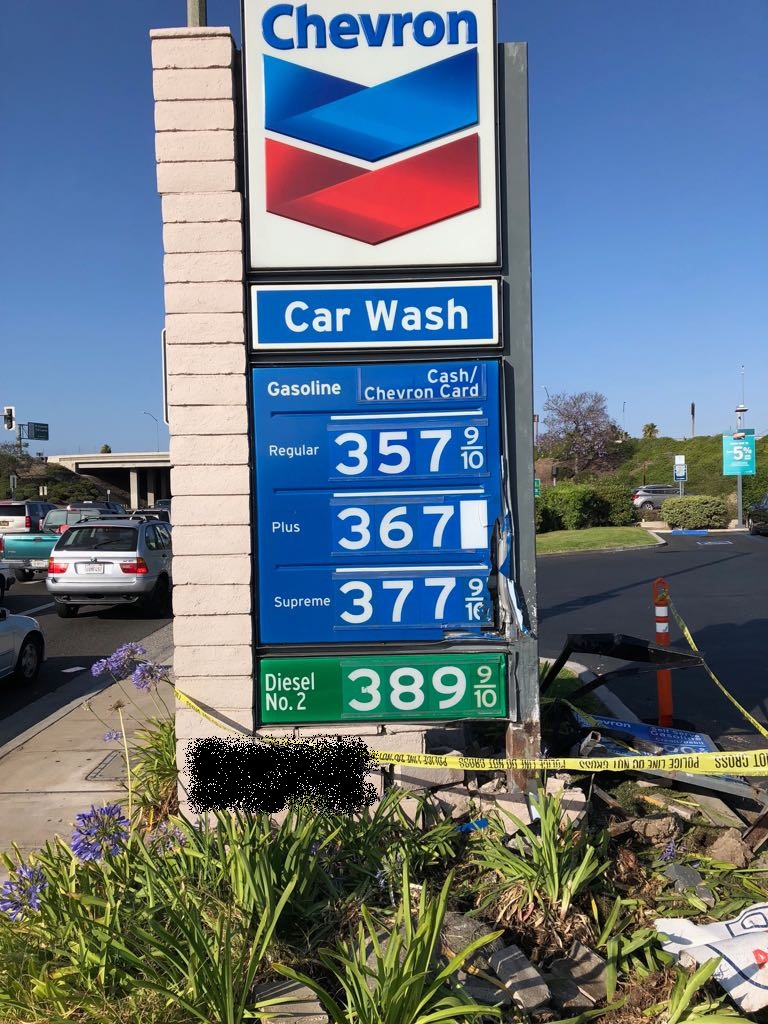
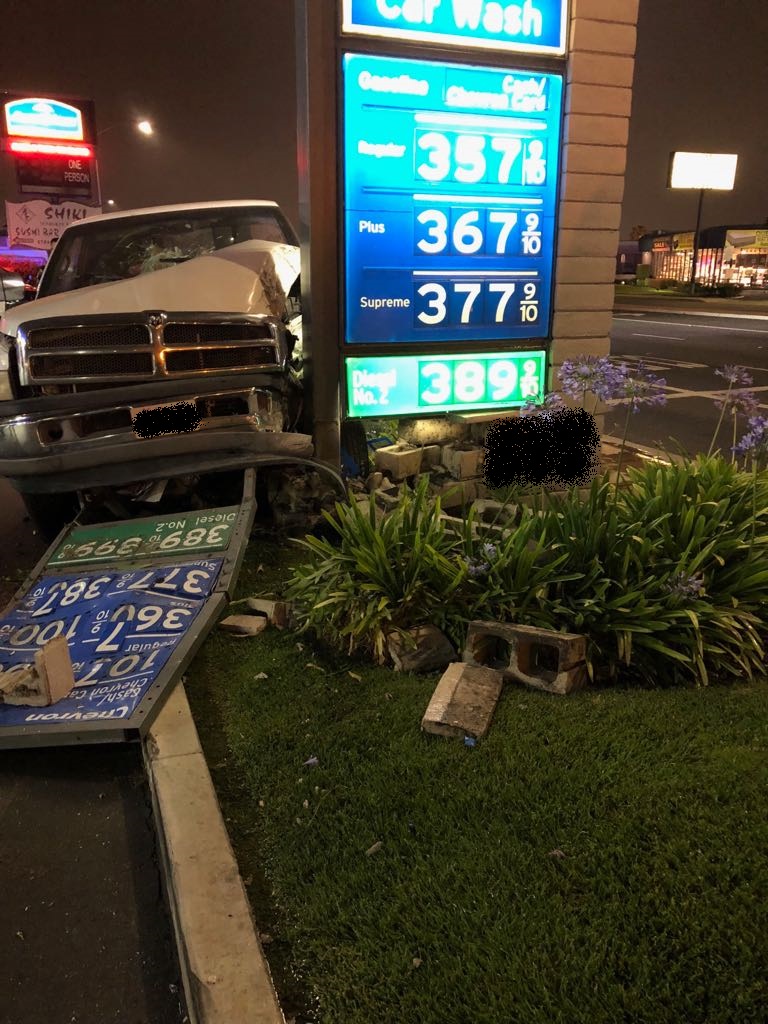
The photos at the bottom of this Newsletter may make this look like a minor loss — but once repairs were complete, the total cost came in at over $13,000. Never underestimate the cost of repairing or replacing a damaged sign. As sign technology has advanced, so has the price tag: a new sign can range anywhere from $5,000 to $40,000 depending on size and features.

So the question is: how well is your sign actually covered?

Most policies carry limited sign coverage — often a $1,000 to $5,000 sub-limit — and some carry none at all. It’s worth reviewing your policy closely to confirm you have enough coverage for a total sign loss, not just minor repairs.

Why You Can’t Rely on the At-Fault Driver’s Insurance

If a vehicle strikes your sign, that driver’s auto insurance is technically responsible. But in California, the state’s minimum required property damage coverage is only $5,000 — and some drivers carry no insurance at all. If the damage exceeds what their policy covers (or they’re uninsured), you’re left covering the difference unless your own policy protects you fully.

Don’t Let Wear & Tear Work Against You

As we’ve mentioned in past newsletters, wear and tear exclusions can also affect sign claims. Sprinklers that keep your landscaping looking sharp can also be quietly corroding or water-damaging your sign’s base over time. If a sign falls due to poor maintenance rather than an external event like a collision, your claim may be denied entirely.

We recommend a once-a-year maintenance check — sanding, repairing rust, and addressing any structural wear — to keep your sign both looking good and properly protected.

The Bottom Line

Review your policy’s sign coverage limit today, not after an incident. A modest coverage increase now could save you thousands later.

Thank you for your continued business.

Sincerely,
The RKM Team

Read More

The Hidden Risk of Hiring Contractors and Sub-Contractors

Dear Valued Customers,

In our continued effort to keep you informed on the latest trends and claims, this month’s newsletter focuses on an issue that has recently cost some of our insureds dearly: hiring contractors and sub-contractors.

Over the past years, we’ve seen two large claims involving contractor and sub-contractor employees — and both offer important lessons for protecting your business.

Case #1: A $6.5 Million Verdict

Our insured hired a legitimate, licensed contractor to perform work on their premises. One of the contractor’s employees was injured on the job.

While that employee was compensated through the contractor’s Workers’ Compensation policy, they didn’t stop there — they also sued our insured directly, arguing the injury occurred on the property they owned. The case went to trial, and the jury ruled against our insured, awarding the injured worker $6,500,000.

Case #2: An Uninsured Sub-Contractor Chain

In the second incident, our insured hired a sub-contractor to perform work on the premises. That sub-contractor, in turn, hired another sub-contractor to help with the job — without our insured’s knowledge or approval.

That second sub-contractor was seriously injured while working on the property. Neither he nor the sub-contractor who hired him carried proper insurance, such as Workers’ Compensation, and neither had signed an indemnification agreement with our insured. Now, the injured worker is suing our insured directly. Given the severity of the injuries, this claim has the potential to be substantial.

Lessons Learned

These two cases highlight two critical steps every property owner should take before hiring outside labor:

1. Verify insurance — every time, for every contractor.
Before any contractor or sub-contractor begins work on your property, confirm they carry adequate insurance and require them to name you on their policy. Specifically, they should:

  • List you as an Additional Insured on their General Liability policy
  • Provide a Waiver of Subrogation on their Workers’ Compensation policy
  • Supply a Certificate of Insurance as proof of both

These requirements are simple for a contractor to add to their existing policy, typically at little to no extra cost — but they can make the difference between a covered incident and a lawsuit that lands squarely on you.

2. Consider raising your liability limits.
Jury awards continue to climb, and many of our insureds currently carry only $1,000,000 in liability coverage — which may not be enough to cover a serious injury claim. A commercial umbrella policy can extend your coverage up to $5,000,000 or more, often at a relatively modest cost. Reach out to your agent to discuss your options and get pricing.

The Bottom Line

We understand that controlling costs when hiring contractors and sub-contractors matters to every business. But hiring properly insured contractors — and confirming that coverage in writing before work begins — can protect your business from a claim that could otherwise put your assets at serious risk.

If you have questions about verifying contractor insurance or reviewing your liability limits, please don’t hesitate to reach out.

Sincerely,
The RKM Team

Read More

ADA Compliance: What Every Gas Station Owner Needs to Know

To Our Valued Customers,

This edition focuses on Americans with Disabilities Act (ADA) violations — a growing source of costly lawsuits for gas station and convenience store owners.

We’ve attached a standard ADA compliance checklist for your review and files at the bottom of this Newsletter. We encourage you to share a copy with your managers to help prevent these types of lawsuits going forward.

A Brief History of ADA Lawsuits

A few years ago, many of our gas station customers were hit with lawsuits claiming that pump keypads were installed at an incorrect height. This triggered a wave of litigation, with businesses spending thousands of dollars to lower keypads — only to face further lawsuits and additional costs afterward.

The backlash led California State Senator Bob Dutton to pass legislation designed to add checks and balances, making it harder for attorneys to file these lawsuits so easily.

However, attorneys have since found a workaround: rather than suing in California state court, they now file in federal court, which largely bypasses the protections built into California’s statutes and regulations.

What You Can Do

You generally have three options when it comes to ADA compliance:

1. Hire a Certified Access Specialist (CASp) — Recommended A CASp is a professional tested and certified by the State of California to assess ADA compliance. If you follow a CASp’s recommendations, you become eligible for a 90-day hold on any legal proceedings, along with a possible early evaluation conference — giving you time to fix issues before facing a lawsuit. You can search online for a “CASp” specialist in your area.

2. Purchase Insurance This is not the strongest option. ADA-specific coverage is difficult to find, expensive, and typically comes with deductibles ranging from $10,000 to $25,000.

3. Do Nothing and Wait to Be Sued This is by far the worst option — and the most expensive, once legal fees and settlement costs are factored in.

A CASp evaluation typically costs between $500 and $800 — a small investment that can end up saving you thousands of dollars, along with considerable time and stress.

Common ADA Violations We’re Seeing

The most frequent violation we encounter at gas stations today involves handicap parking. Page 5 of the attached checklist outlines the required layout. During a recent site visit, we found a station with its van-accessible space positioned on the left side of the ADA parking space — a violation. The law requires:

  • One 8-foot ADA parking space marked in blue
  • An adjacent 8-foot striped van-access aisle positioned on the right, to accommodate wheelchair lift deployment

Other common violations RKM has identified at gas station properties include:

  • Bathroom mirrors mounted too high
  • Coat hooks or hangers mounted too high
  • Mini-mart aisles narrower than the required 36 inches (35 inches is already a violation)
  • Cash counters too high for a person using a wheelchair to reach

The Bottom Line

A CASp inspection is a modest expense that can prevent a much larger legal and financial headache down the road. We strongly encourage you to review the attached checklist and consider having your property assessed.

As always, we’re here to answer any questions you may have.

Sincerely, The RKM Team

Read More

SB 1343: New Sexual Harassment Training Requirements for CA Employers

Dear Valued Customers,

As we move further into 2026, we want to take a moment to remind you of an important — and ongoing — compliance requirement that’s easy to lose track of: Senate Bill 1343 (SB 1343).

What SB 1343 Requires

California law requires any employer with 5 or more employees — including temporary and seasonal staff — to provide sexual harassment prevention training on a recurring basis:

  • Supervisory employees: at least 2 hours of training
  • Nonsupervisory employees: at least 1 hour of training

Training must be completed within 6 months of an employee’s hire date or promotion into a supervisory role, and must be repeated every 2 years after that. For seasonal or temporary employees working less than 6 months, training must be completed within 30 calendar days or 100 hours worked, whichever comes first.

Why This Still Matters

SB 1343 has been in effect for a few years now, so it’s easy to assume it’s “old news” and that your business is already covered. But compliance isn’t a one-time task — it’s a recurring obligation. If your last round of training was two years ago (or you’re not sure when it was), now is a good time to check.

Falling out of compliance carries real risk. If a harassment claim is ever filed against your business, a lack of documented training can be used as evidence that reasonable steps weren’t taken to prevent it — turning a training oversight into a much bigger liability.

What You Should Do

  1. Check your records. Confirm when each employee — supervisory and non supervisory — last completed training, and flag anyone approaching their 2-year renewal date.
  2. Train new hires promptly. Don’t let new employees or newly promoted supervisors slip past the 6-month window.
  3. Keep documentation. Save certificates of completion, training dates, and attendance records. If you’re ever questioned, this is your best evidence of compliance.
  4. Set a recurring reminder. Because this requirement repeats every two years, building it into your regular HR calendar can help you avoid last-minute scrambles.

A Quick Note on Enforcement

While the training requirements themselves haven’t changed, agencies are placing more emphasis on documentation and consistency when reviewing complaints. In other words: it’s not just about doing the training — it’s about being able to prove it happened.

If you have any questions about your compliance status or how to structure ongoing training for your team, our office is happy to help point you in the right direction.

Thank you, as always, for your continued business.

Sincerely, The RKM Team

Read More

Three Claims Denied: Why “Normal Wear and Tear” Can Cost You Everything

Dear valued customer;

With the rainy season upon us, we feel it’s a good time to re-address this very important issue;  Where insurance companies exclude claims that arise from normal wear and tear and/or improper maintenance.

Sometimes we think “Well, I’ve been paying all this money every year for insurance, therefore, I should be covered on any claim” unfortunately, this is not a valid argument.   ALL insurance companies exclude these type of claims which arise out of normal wear and tear and/or improper maintenance.

Examples of excluded wear/tear claims and improper maintenance claims:

  • Monument sign blew down and fell during heavy wind storm – after the insurance company did their investigation, they determined that the reason the sign fell was due to the fact that the base of sign had severely rusted and deteriorated over the years.  And if it was maintained properly, it would not have fallen down. The insurance company declined coverage.
  • Water pipe burst underground and caused severe damage – after the insurance company investigation, it was determined that the reason the pipe burst, was due to it being old and corroded. So the insurance company declined coverage.
  • During a heavy rain storm, water ran down the inside wall of the mini mart and did damage to walls and equipment. When the insurance company completed their investigation, they found that the drains on the roof were plugged, which then allowed the water to build up and spill over the water proofing material causing the leak inside the store. It was determined that if the drains were maintained properly and kept clean, this damage would not have occurred.  The claim was declined.

So, what’s the moral of this story:  Make sure to check and clean those gutters periodically, also check all your property periodically, and repair anything showing significant wear/tear BEFORE you find out the hard way and have your claim denied to due avoidable negligence.

We hope you find this information useful.  If you would like to add any thought to this subject, or have any suggestions you would like to know about for future newsletters, we would love to hear from you.  Your input is always welcome and appreciate.

Read More

Gasoline Theft Alert: How Thieves Are Stealing Thousands in Fuel — and How to Stop Them

Dear valued customers,

Gasoline Theft Alert!

Fuel theft is starting to happen at a greater frequency and these thieves not only have figured out how to open and free flow the pumps (mainly diesel ) but they are now coming in with bigger tanks (Some with 1,000 gal. Capacity ).  With the gas prices as high as they are it is very attractive to them and very painful to your profit and loss’s bottom line.

Claim#1- A large flatbed truck pulled up to the diesel gas and underneath the truck was a 1,000 gallon tank custom built into the chassis. They were there for almost 2 hours , once they were done a second truck (exactly the same) took another 1,000 gallons, and 2 hours later a third truck pulled up and stole another 1,000 gallons. 3,000 gallons in total stolen in a little over 6 hours.  (thought…this should have raised huge suspicion)

Claim#-2- Customer came in and paid the cashier $300 and ask to activate pumps 5 & 6 . Then he must of opened the pump , tampered with the electronics and told the employee that the pump did not work and the cashier gave him back his $300. That same customer ended up staying at the pump for an hour and a half,  filling up not only his trucks , but several other thieves came by and continued to steal Diesel. (thought…cashier should contact  a manger/Owner  to check it out/verify first)

Important Training suggestions;

Have weekly or monthly meetings with all your employees. Explain to them what is happening and that they need to pay attention, watch the pumps and if anything is suspicious to report it immediately. If there is all of a sudden a long line at the diesel pump, the employee should investigate immediately.  If there is a large truck at the same pump for a long period of time, say over 30 minutes, again investigate.  While these are commonsense practices, your employees need to be aware and follow this process  when they see anything suspicious or out of the ordinary.  Another helpful suggestion is to make sure you place cameras in those hidden areas to be monitored as well.

Possible Prevention;

From what we have been told, there may be locking devices to help prevent the theft from happening in the first place. Check with your maintenance companies and see what they might have to offer.  One of our customers shared that they installed a very loud alarm system at the pumps that

would sound off if opened without authorization. 

If you do get hit by these gasoline bandits, make sure to file a police report immediately, this is an insurance requirement, and keep any video and/or witness information.

Thank you for your continued support!  And as always we are here to help with any questions you may have.

Read More

Is Your Roof Insurance-Ready? Plus: A Key UST Legislative Update

Dear Valued Customers,

It’s been a crazy year and we hope this newsletter finds you well. Today, we bring you a crucial legislative update that impacts Underground Storage Tank (UST) owners and operators in California. Assembly Bill 1115 (AB 1115) has been enacted, extending the deadline for the UST Cleanup Fund and related programs.

Key Provisions of AB 1115:

  • Extension of Cleanup Fund and Companion Programs: AB 1115 extends the UST Cleanup Fund and companion programs, including Replacing, Removing, or Upgrading (RUST) grants and loans, through January 1, 2035.
  • Financial Responsibility Mechanism Extension: UST owners and operators will now be able to use the UST Cleanup Fund as a financial responsibility mechanism until December 31, 2034.

For further details or inquiries related to AB 1115, we encourage you to visit the official California State Legislature website or contact the relevant regulatory authorities.

We will continue to keep you updated on developments that may impact your business or industry.

Roofing Maintenance Reminder:

We also want to take a moment to remind our valued customers about the importance of maintaining your building’s roofing system. ALL insurance companies are now asking, on buildings that are over 30 years old, when was the roof either updated or replaced.

A well-maintained roof is crucial for safeguarding your investment and ensuring the longevity of your property.

Key Roofing Maintenance Tips:

  1. Regular Inspections: Schedule regular inspections to identify any signs of wear, damage, or potential issues. Early detection can prevent more extensive and costly repairs.
  2. Clean Gutters and Drains: Ensure that gutters and drains are free from debris to prevent water buildup and potential damage to your roofing system.
  3. Address Leaks Promptly: If you notice any leaks or water stains inside your building, address them promptly. Ignoring leaks can lead to more significant issues and compromise the integrity of your roof.
  4. Trim Overhanging Branches: Overhanging branches can cause damage to your roof, especially during storms or high winds. Trim branches to prevent them from scraping or puncturing the roofing material.
  5. Professional Roofing Inspections: Consider hiring a professional roofing contractor for comprehensive inspections and maintenance. They can provide expert guidance on the state of your roof and recommend necessary repairs or upgrades.

A well-maintained roof not only protects your property but also gets you in better favor with the insurance carriers. We encourage you to prioritize roofing maintenance as part of your ongoing building management strategy.

Remember, you can view our previous ongoing newsletters any time by visiting our website at  www.RKM-INS.com.

Read More

Assault & Battery Exclusions: What Your Service Station Needs to Know

Dear Valued Customers,

We hope this message finds you well.

As part of our commitment to keeping you informed about important developments in insurance coverage, we want to draw your attention to a significant update regarding commercial property policies.

Assault & Battery Exclusions: What You Need to Know

In recent times, there has been a notable trend among insurance providers to exclude coverage for incidents related to assault and battery. This exclusion means that any damages, liabilities, or losses resulting from assault or battery incidents may not be covered under some existing policy.

Why is this important – Because in the last several months we have now had three incidences with our service station client are being sued for alleged “Assault and Battery” by one of their employee’s.

Whether your policy has this exclusion or not,  it’s imperative to take proactive steps to protect your business from potential risks. Here are some recommended actions to consider:

  1. Enhanced Security Measures: Implement security measures to help prevent assault and battery incidents on your premises. This may involve installing more surveillance cameras and implementing access control measures.
  2. Employee Training: Provide comprehensive training to your staff on conflict resolution, de-escalation techniques, and how to respond effectively to potentially volatile situations. Equipping your employees with the necessary skills can help mitigate the risk of incidents escalating into violence.
  3. Customer Communication: Clearly communicate your zero-tolerance policy for violence and aggressive behavior to your customers. Post signs outlining your expectations for conduct on your premises and take prompt action to address any violations.
  4. Incident Response Plan: Develop a detailed incident response plan outlining the steps to be taken in the event of an assault or battery incident. This should include protocols for contacting law enforcement, documenting evidence, and providing support to affected individuals.
  5. Regular Policy Reviews: Regularly review and update your insurance policies to ensure they adequately reflect the evolving needs and risks of your business. Work closely with your insurance agent or broker to identify any gaps in coverage and make necessary adjustments.

By taking proactive measures to address the risk of assault and battery incidents, you can help protect your business and minimize potential liabilities. Our team is here to support you every step of the way and provide tailored insurance solutions to meet your specific needs.

If you have any questions or concerns regarding the assault and battery exclusion or any other aspect of your insurance coverage, please don’t hesitate to reach out to our team. We are here to help and are committed to ensuring that you have the protection and support you need to safeguard your business interests effectively.

Thank you for entrusting us with your insurance needs. We look forward to continuing to serve you and to providing you with the highest level of service and support.   

Remember, you can view our previous ongoing newsletters any time by visiting our website at  www.RKM-INS.com.

Sincerely,

The RKM Team.

Read More

How Simple Maintenance and Cameras Can Save Your Service Station Thousands

Dear Valued Customer,

We should all know by now that the Service Station insurance marketplace has become very challenging  and in many cases very expensive. This is why claim prevention should be an important priority in your daily operations. Many of our service stations with only one or two claims on their records are seeing significant increase in premiums, with lesser coverage’s.

NOW is the time that you can be proactive in protecting your business in today’s insurance climate.

Preventing & Mitigating Slip & Falls with proper procedures & Cameras

  • Set up a documented procedure to regularly inspect your premises, multiple times a day, and immediately cleanup and/or fix any trip/slip and fall hazards. We might sound repetitive, but please note the following:
    • We have now just recently received a claim because of a customer tripping on a pot hole. If that pot hole was detected earlier and fixed, it would have prevented that claim and now the insured may be looking at considerable increases in premium come renewal time. What cost more, a couple hundred dollars to fix the pot hole or several more thousand dollars in increased premiums.
    • We are still getting inspection reports back from the insurance carriers that show large cracks and pot holes. AGAIN, it shouldn’t be the inspection report that points these hazards out to you. They should have been already repaired.
  • Video backup and documentation – When an incident occurs (whether or not it develops into a claim), please save the video, document who was working at the time and get a statement from them. As mentioned in prior newsletters, in CA the injured party has up to 2 years to report a bodily injury claim.

Maintaining a clean and well-organized premises is not only essential for customer satisfaction and employee morale but also plays a significant role in mitigating insurance risks. A cluttered or poorly maintained environment not only increases the likelihood of accidents and injuries but also raises concerns about compliance with health and safety regulations.

Insurers often conduct risk assessments of business premises as part of the underwriting process, taking into account factors such as cleanliness, maintenance practices, and adherence to safety protocols. Businesses that demonstrate a commitment to cleanliness and proactive maintenance not only reduce their exposure to liability claims but also present a lower risk profile to insurers, potentially leading to lower premiums and more favorable coverage terms.

Vehicle damage to premises:

  • Whenever a vehicle does damage to your property, get as much info on the vehicle. This would include car info, driver info and insurance info. If there’s a video, make a backup immediately. This way we will make every attempt to get their insurance company to cover the loss.

As businesses navigate the complex landscape of commercial insurance in California, proactive risk management strategies are essential for protecting assets, minimizing disruptions, and ensuring long-term viability. By leveraging tools such as surveillance cameras and prioritizing cleanliness and maintenance, insured businesses can mitigate risks, streamline the claims process, and ultimately enhance their bottom line.

This turbulent insurance environment will continue to worsen for at least 1 – 2 years.

Remember, you can view our previous ongoing newsletters any time by visiting our website at  www.RKM-INS.com.

Remember, your agent is always available to you to discuss this and other issues with you. We are just a call away.

Thank you for your continuing business

Read More